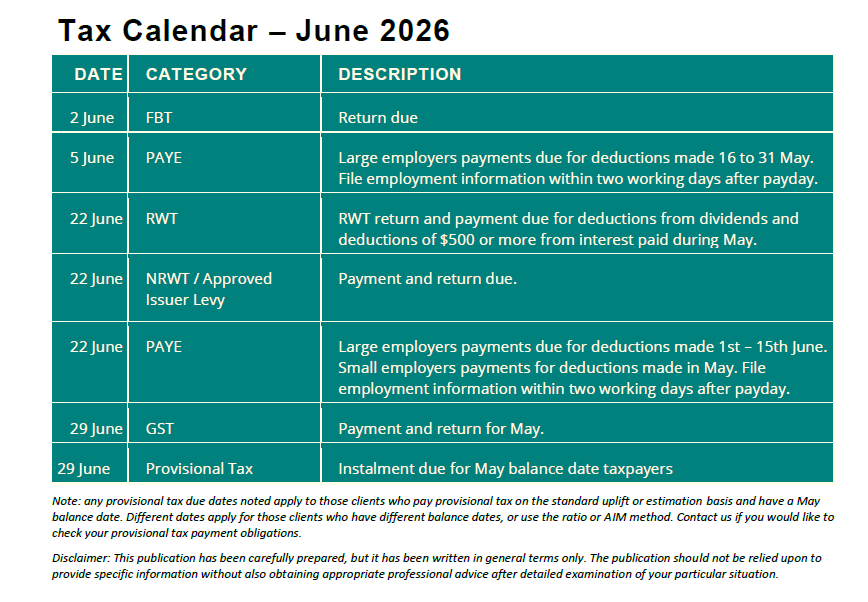
Accelerate June 2026

Withers Admin • June 4, 2026

The Farming Issue


A lot is happening across the rural sector right now. Rising fuel costs are putting pressure on day-to-day operations, while changes to immigration settings are starting to ease some of the strain around finding staff. 

At the same time, strong commodity prices mean many businesses are on track for a better-than-expected year, bringing opportunities, risks and a few tax considerations.

As the seasons shift and the days get shorter, it’s a good time to stay on top of your numbers and plan. 

In this issue, we cover these key topics before taking a closer look at where smart tech is delivering real value on farms, and what’s actually worth investing in.

What rising fuel costs mean for farmers and growers

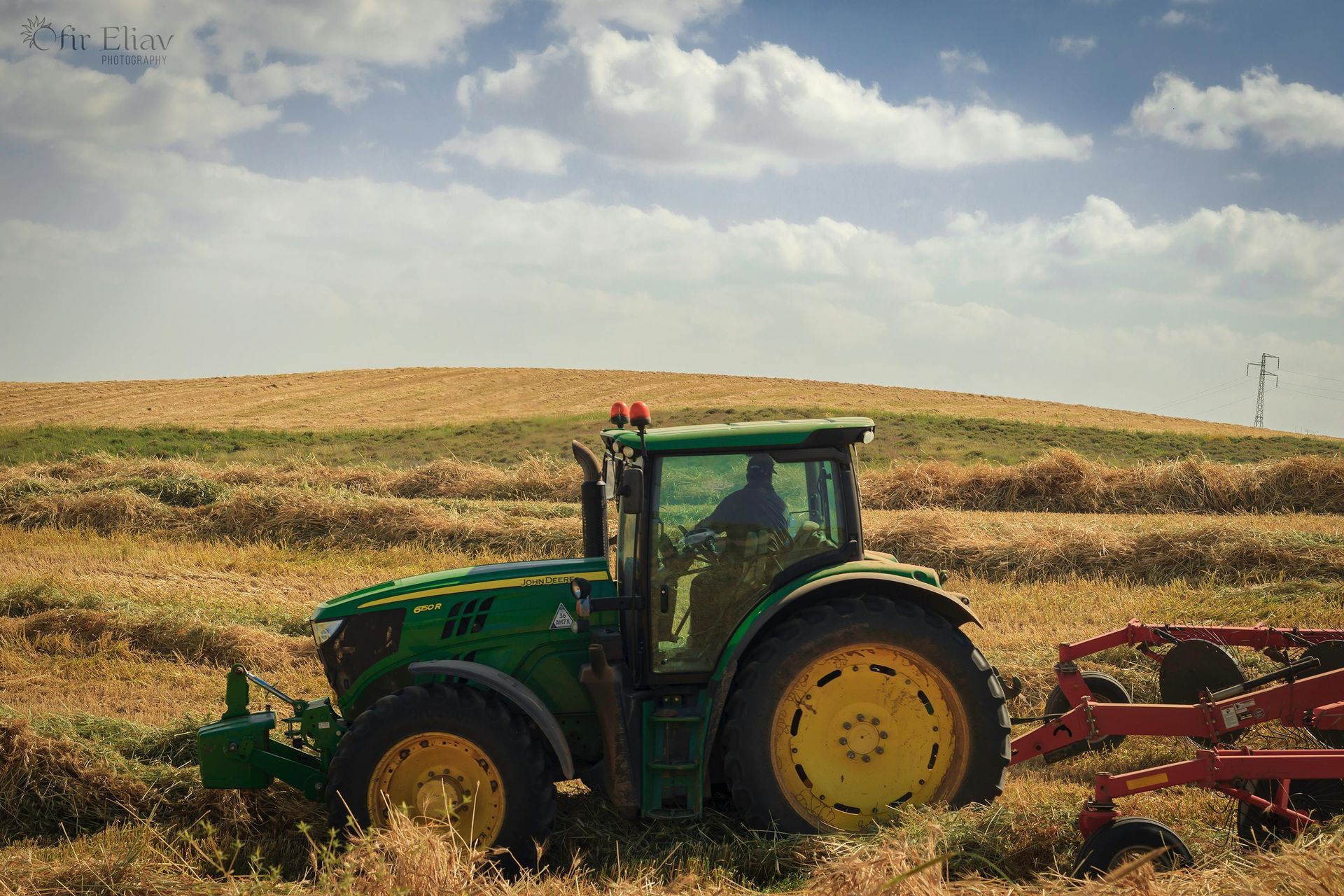
We’re all feeling pain at the pump, but rising petrol and diesel prices are hitting the primary sector harder than most. 

From machinery and irrigation to transport, fuel sits at the heart of farming and growing operations. 

And it’s not just fuel: urea prices have climbed too.

These pressures are pushing up operating costs, so it’s worth taking a closer look at where things stand and what you can do next.


Starting from a position of strength


Much of New Zealand’s rural sector has entered this period on a relatively solid footing. Dairy prices have strengthened, beef is trending upward, lamb has been steady, 

and horticultural exports such as apples and kiwifruit are tracking well overall.


Fuel supply itself remains stable. We are currently in Phase 1 of the Government’s Fuel Response Plan, meaning fuel is arriving as expected and there are no restrictions in place.


The Government has also taken steps to strengthen supply resilience, working with Z Energy to secure an additional 90 million litres of diesel, expected to arrive in June or July, as a buffer against potential supply disruptions.


Supply isn’t currently an issue, but price volatility is


You can’t control global fuel prices, but you can stay on top of how it’s used on your farm or orchard:


  • Maintain machinery. Check tyre pressure, wheel alignment, and keep up with regular servicing.
  • Check trailer tyres too. They’re easy to overlook, but worn tyres can seriously bump up your fuel use.
  • Cut idling time. Idling uses more fuel than you’d expect, so switch off if you’re stopped for more than a few minutes.
  • Slow down. Even small reductions in speed can make a big difference over time.
  • Choose tyres carefully. Low rolling resistance tyres can help you get more out of every litre.

If rising costs are starting to sting, it may be a good time to revisit budgets and cash flow forecasting with your accountant. And if you have any upcoming expansion plans, we can help you weigh the benefits against the need to protect your buffer.


Hiring help on the farm is getting easier

If finding and keeping good staff has felt like a constant challenge, there are signs that some of that staffing pressure is starting to ease.

Part of this comes down to recent updates to the Accredited Employer Work Visa (AEWV), which many farmers use to hire staff from overseas. These changes have made it easier and more practical to bring in workers for entry-level and intermediate roles, with longer visa durations and fewer barriers in some cases.


More flexibility at peak times


From 8 December 2025, two new seasonal visa options became available under the AEWV framework:


  • Peak Seasonal Visa, valid for up to seven months, is suited to entry-level seasonal roles like calf rearers, relief milkers, and wool handlers.
  • Global Workforce Seasonal Visa, valid for up to three years, is for skilled seasonal roles such as agricultural technicians, wine makers, and shearers.


TAX UPDATE:

Check your provisional tax

Stronger commodity prices and improved production mean many farmers and growers

are having a better-than-expected 2025–26 year.

That’s great news - just don’t let a strong year turn into a bigger tax bill than expected.


If you’re using the uplift method (last year’s tax + 5%), it’s worth checking your

 provisional tax to make sure you’re not underpaying without realising it.

Is this year tracking ahead of last? A quick review now can help you stay on top of

things and avoid a larger terminal tax bill and interest charged by Inland Revenue


Smart tech on the farm: What's worth investing in?
From virtual fencing to real-time pasture data, smart tech is changing the way we farm.

New tools are being embraced across New Zealand’s agricultural industry, but with more options come more price tags and subscription packages, so it’s important to ask: what’s actually worth your money?


Four NZ farming tools worth considering


A growing number of New Zealand-developed tools are helping farmers and growers work smarter day to day. Here are a few of the innovations that have come out of our own backyard.


1. Livestock management


Halter’s virtual fencing is reshaping how stock is moved and monitored for family-run businesses and large operations across the country. It uses satellite-enabled virtual GPS collars to guide animals and track behaviour without the need for physical fencing.


2. Animal health and performance


Platforms such as Herd-i give you better visibility around animal health, weights, and performance, helping you make faster, more informed decisions.


3. Precision inputs and cropping


SpreadWise, developed by Ballance Agri-Nutrients, is a digital mapping tool that helps you apply fertiliser to your farm more precisely, reducing waste, improving efficiency, and limiting your farm’s environmental impact.


4. Environmental monitoring and compliance


Founded in New Zealand and now headquartered overseas, cloud-based software CropX provides real-time soil data, helping farmers monitor soil conditions and optimise irrigation and nutrient use, while supporting environmental compliance.


Find the tech that’s right for you


The farms seeing the most value aren’t the ones with the most tech, but the ones using it consistently and with a clear purpose.


Before investing, it’s worth asking a few practical questions:


  • What problem am I trying to solve?
  • Will this genuinely save time, reduce costs, or lift production?
  • How easily will this fit into day-to-day operations?
  • When will I see a return?

If you’re considering new tech this year, build it into your budgets and cash flow planning early. Some investments may be depreciable, so it’s worth talking it through with your accountant first.


By Withers Admin May 10, 2026
Invitation to meet the team on Wednesday 27th May 2026 from 5pm - 6.30pm. At 21 Neville Street, Warkworth. Beverages & Nibbles provided.
By Withers Admin April 20, 2026
As we step into a new financial year, we’re mindful that not everyone has had a smooth start to 2026. Extreme weather has created uncertainty for parts of the country and reminded many businesses just how quickly conditions can change. The global situation has intensified that. While we can’t control everything that happens around us, we can make sure we’re prepared for shifts when they come. That starts with a clear understanding of your finances, staying on top of compliance, and planning ahead rather than reacting under pressure. In this issue, we cover three key employment and tax changes you need to know (and two to keep an eye on), how to get more value from your accountant, and the signs that business confidence in New Zealand is steadily improving. Three key changes for employers in 2026 A few recent and upcoming changes may impact your payroll, pricing, and employer obligations.
A quick check now sets you up for a smoother year ahead. 1. Minimum wage is increasing From 1 April 2026, the adult minimum wage rises to $23.95/hr (from $23.50). Starting-out and training wages increase to $19.16/hr (from $18.80). Make sure your payroll and employment agreements reflect the new rates. Higher wages can affect your margins, so now’s a good time to reassess your pricing structure. Speak to your accountant if you need help understanding what these changes mean for your bottom line. 2. KiwiSaver contribution rates go up Also starting 1 April 2026 , the default KiwiSaver contribution rate increases from 3% to 3.5% for both employees and employers. Note employees are able to apply for temporary rate reductions to continue contributing at the 3% rate, in which case employers may also opt to match this employer contribution rate. Employer contributions will also now apply to KiwiSaver members aged 16 and 17. This is part of a phased retirement-savings policy change, with a further rise to 4% planned for 2028. Review your payroll processes to make sure your contributions are applied correctly. 3. Fringe Benefit Tax updates continue Updated FBT thresholds and rate structures came into effect on 1 April 2025, with further refinements expected to be rolled out in 2026. Concessions such as equalisation of FBT and PAYE on unclassified benefits give you more flexibility in how FBT is calculated and means the tax rate applied better reflects what your employees earn. Inland Revenue has also clarified how certain employee gift cards are taxed. Open-loop cards (such as prepaid cards that can be used almost anywhere) are generally treated like cash and taxed under PAYE, while retailer-specific cards usually still fall under FBT. If you provide vouchers or gift cards as staff rewards, it’s worth checking they’re being taxed under the right rules. Things to watch Keep an eye out for these two changes on the horizon. Shareholder loans If you regularly draw funds from your company through a shareholder loan, this is one to watch. While not yet law, Inland Revenue has recently consulted on proposals to treat new shareholder loans as taxable dividends if they are not repaid within a set timeframe. Surcharge ban The Retail Payment System Amendment Bill has passed its first reading and is expected to take effect by May 2026. If enacted, it will ban most in-store surcharges on EFTPOS, Visa, and Mastercard transactions. We’ll keep you updated as details are finalised .
By Withers Admin December 7, 2025
Accelerate December 2025 As 2025 draws to a close, we’d like to thank you for your continued support this year. Our team is taking a well-earned break from Friday 19th December and will return to the office on Monday 12th January 2026. But before you switch on the out-of-office, take a moment to get your business ready for the holiday season. In this issue, we’ve included tips to help you manage the summer cash flow crunch, a guide on what you can (and can’t) claim back for festive spending, advice for compliant Christmas promotions, and a timely reminder to look after your team’s mental health as the year wraps up. Wishing you a safe, sunny, and successful holiday season! How to survive the Christmas cash flow crunch While retailers race through their busiest time of year, not every business benefits from the Christmas rush. Many service-based, wholesale, or manufacturing businesses might even face a sharp decline in orders just when holiday pay, bonuses, and annual shutdowns see expenses rise. 1. Forecast to February Projecting your income and expenses well into the new year helps you spot potential shortfalls and take action before they become problems. 2. Invoice early, follow up now Send invoices before your shutdown period and chase outstanding debts while clients are still around. 3. Prioritise essential spending Identify what expenses are necessary and what can wait until revenue picks back up. 4. Prepare for January’s tax obligations The 15 January due dates for PAYE, GST, and provisional tax can feel like a Grinchy surprise. Set aside funds now to avoid starting the new year under pressure. Worried about the summer squeeze If this season feels tight, get in touch.  Our financial advisors can help you plan ahead, manage your cash flow, and explore IRD instalment options to lighten the load. Tis the season for giving... but what can you claim back Gifts, bonuses, parties, and more: here’s a brief breakdown of what you can and can’t claim this festive season. Employee gifts Gifts that are not subject to the entertainment tax rules (vouchers, hampers, flowers) are fully deductible and exempt from Fringe Benefit Tax (FBT) if they cost less than $300 per employee per quarter, and the total for all staff stays below $22,500 a year. However, gifts that do fall under the entertainment tax rules, like food hampers or wine, or taking your team to a show or event, are 50% deductible, and not liable for FBT. Cash bonuses Bonuses are classed as income, so PAYE and other payroll taxes apply. These “lump sum” payments are taxed at a flat rate based on your employee’s income bracket. Client gifts Food, drink, or entertainment gifts are 50% deductible. Other gifts (flowers, movie tickets, a book) are 100% deductible Workplace events Christmas parties, client dinners, or team drinks are 50% deductible, while morning teas, office lunches, and charitable donations are fully deductible.
By Withers Admin December 4, 2023
Accelerate - December 2023
By Withers Admin December 4, 2023
Accelerate August 2023 
By accelerateonline June 12, 2023
Inland Revenue have recently announced this year’s livestock Herd Scheme Values and we think this is a great opportunity to update you on the latest movements. The Herd Scheme Values are the National Average Market Values, determined by a process involving a review of the livestock market as at 30 April.
By accelerateonline June 12, 2023
The values for Dairy this year have seen a fall in values across all female classes, but increases across all male classes. The fall in R1 heifer values can be attributed to the prohibition of live export by sea commencing from 30 April 2023. For the first time the National Average Market Value for R1 Heifers is less than the National Standard Cost of breeding and rearing an R1 Heifer.
By accelerateonline June 12, 2023
In contrast to Dairy values Beef values have increased on average 9% and are almost at record values for all classes.
By accelerateonline June 12, 2023
Sheep values have all fallen from the high of 2022, slipping back an average of 10.2%. Whilst values have fallen, they are still either the second or third highest that they have ever been depending on which class of sheep you are looking at.
By accelerateonline June 12, 2023
Goat values have increased on average 7.8% with almost all classes of fibre and meat producing goats at record highs. The value of milking goats continues to be well down from historic highs, except for breeding bucks which are at their highest value.
More Posts