Accelerate December 2025
As 2025 draws to a close, we’d like to thank you for your continued support this year.
Our team is taking a well-earned break from Friday 19th December and will return to the office on Monday 12th January 2026.
But before you switch on the out-of-office, take a moment to get your business ready for the holiday season. In this issue, we’ve included tips to help you manage the summer cash flow crunch, a guide on what you can (and can’t) claim back for festive spending, advice for compliant Christmas promotions, and a timely reminder to look after your team’s mental health as the year wraps up.
Wishing you a safe, sunny, and successful holiday season!
How to survive the Christmas cash flow crunch
While retailers race through their busiest time of year, not every business benefits from the Christmas rush. Many service-based, wholesale, or manufacturing businesses might even face a sharp decline in orders just when holiday pay, bonuses, and annual shutdowns see expenses rise.
1. Forecast to February
Projecting your income and expenses well into the new year helps you spot potential shortfalls and take action before they become problems.
2. Invoice early, follow up now
Send invoices before your shutdown period and chase outstanding debts while clients are still around.
3. Prioritise essential spending
Identify what expenses are necessary and what can wait until revenue picks back up.
4. Prepare for January’s tax obligations
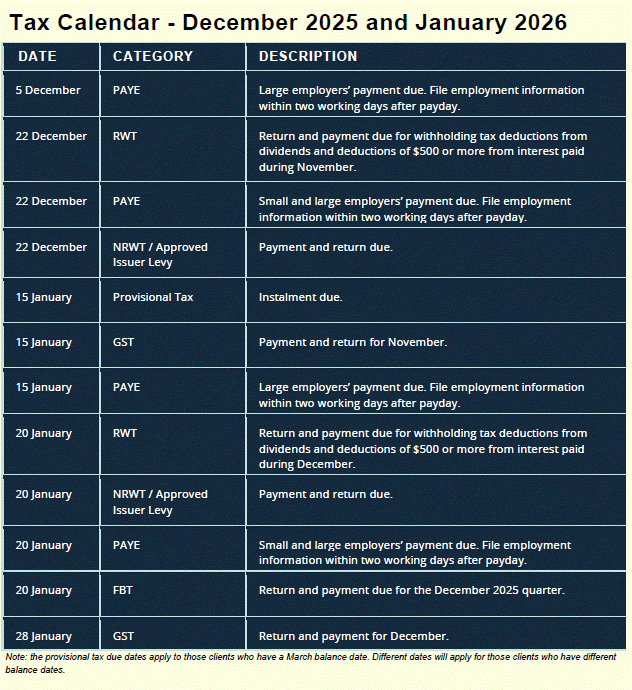
The 15 January due dates for PAYE, GST, and provisional tax can feel like a Grinchy surprise. Set aside funds now to avoid starting the new year under pressure.
Worried about the summer squeeze
If this season feels tight, get in touch.
Our financial advisors can help you plan ahead, manage your cash flow, and explore IRD instalment options to lighten the load.
Tis the season for giving... but what can you claim back
Gifts, bonuses, parties, and more: here’s a brief breakdown of what you can and can’t claim this festive season.
Employee gifts
Gifts that are not subject to the entertainment tax rules (vouchers, hampers, flowers) are fully deductible and exempt from Fringe Benefit Tax (FBT) if they cost less than $300 per employee per quarter, and the total for all staff stays below $22,500 a year.
However, gifts that do fall under the entertainment tax rules, like food hampers or wine, or taking your team to a show or event, are 50% deductible, and not liable for FBT.
Cash bonuses
Bonuses are classed as income, so PAYE and other payroll taxes apply. These “lump sum” payments are taxed at a flat rate based on your employee’s income bracket.
Client gifts
Food, drink, or entertainment gifts are 50% deductible. Other gifts (flowers, movie tickets, a book) are 100% deductible
Workplace events
Christmas parties, client dinners, or team drinks are 50% deductible, while morning teas, office lunches, and charitable donations are fully deductible.
The do’s and don’ts of holiday sale specials
When run right, Christmas promotions don’t just boost sales, they build trust that lasts well beyond the festive season. Follow these five simple rules to spread holiday cheer without a compliance headache.
Do: offer genuine holiday discounts and Christmas bundle deals.
Don’t: hike your prices beforehand to make your discounts look better than they are.
Do: Be transparent about available stock and time limits.
Don’t: Use countdown timers or “only 2 left!” gimmicks to create a false sense of urgency.
Do: Showcase real, recent customer reviews.
Don’t: Cherry-pick, recycle, or fabricate testimonials.
Do: Keep a close eye on your stock levels.
Don’t: Promote items that are already sold out.
Do: Offer gift cards or vouchers for easy last-minute gifts.
Don’t: Set expiry dates shorter than three years: it’s against New Zealand law from March 2026.New Paragraph
Want to end on a high note? Support your team’s mental health ahead of the holidays
The final stretch of the year can be hectic: deadlines loom, inboxes overflow, and everyone’s racing to wrap things up before the holidays. Add in a packed social calendar, and it’s no surprise stress levels start to soar.
It’s tempting to just push through the silly season, but looking after your people now helps them finish strong and return in January with the energy your business needs to thrive.
Help manage workloads
Overloading December only leads to exhaustion and mistakes. Before setting and enforcing end-of-year deadlines, ask yourself this question: does it really need to be done this year?
Prioritise what’s essential and postpone non-urgent projects until January. Build breathing space into your calendar by leaving realistic gaps between deadlines. And avoid last-minute scrambles by clearly communicating cut-off dates for new work.
Acknowledge your team’s hard work
Recognition boosts morale, but it doesn’t have to be costly. A simple “thank you” goes a long way, whether it’s in a team meeting, a handwritten note, or a thoughtful gesture like finishing early on a Friday. The goal is to make people feel seen and appreciated before the break.
Normalise asking for help
Create a culture where it’s okay to admit when things feel overwhelming. You can do this by…
•Checking in regularly, both formally and casually.
•Leading by example. If you’re telling your team to take a break, make sure you do the same.
•Promote available support. A poster in the kitchen or a company-wide email about wellbeing services can make a big difference.
And if you can see that someone is struggling, point them toward your Employee Assistance Programme or other support option.