
Summer staff generation: a how-to guide
accelerateonline • November 2, 2021

Getting the staff you need over the silly season during a global pandemic is tough. If you’ve tried Seek, Careers, and Trademe with no luck, maybe it’s time to think creatively. And remember, while our unemployment rate is low, there are always going to be part-time workers looking for more hours or full-timers looking for a change.
Here are six fresh ways to find new staff:
- Ask friends and whanau. Advertise to your tribe first — whether it’s via social media, email, or newsletter. Your friends, family, and customer base are already engaged with your business so they might want to work with you or know someone who does.
- Promote from within. Have you considered whether one of your current staff members could fill the vacancy? Internal promotions are a great way to reward performance and create career paths that bolster employee engagement. Remember to go through the same recruitment process as you would with an external candidate to ensure they’re the right fit.
- Use Student Job Search. Did you know there are more than 40,000 students nationwide looking for work? Most have finished their exams and are seeking temporary or permanent employment. Search Student Job Search.
- Jump on social. Since most people use at least one social media platform, it makes sense to leverage these channels to attract and hire new job candidates. LinkedIn is the most popular, but Facebook also has an effective platform for promoting new roles. Make sure your own business Facebook page has relevant, up-to-date content to give potential candidates a true insight into your culture.
- Facebook groups. Are you a member of your local community Facebook noticeboard? Search for it and post your job advert there. It’s a great way to spread the word because people can tag friends or family who may be interested in the role.
- Widen the net. The New Kiwis website links skilled migrants living in New Zealand with employers, and Work & Income New Zealand has a free phone service for recruitment, call 0800 778 008.
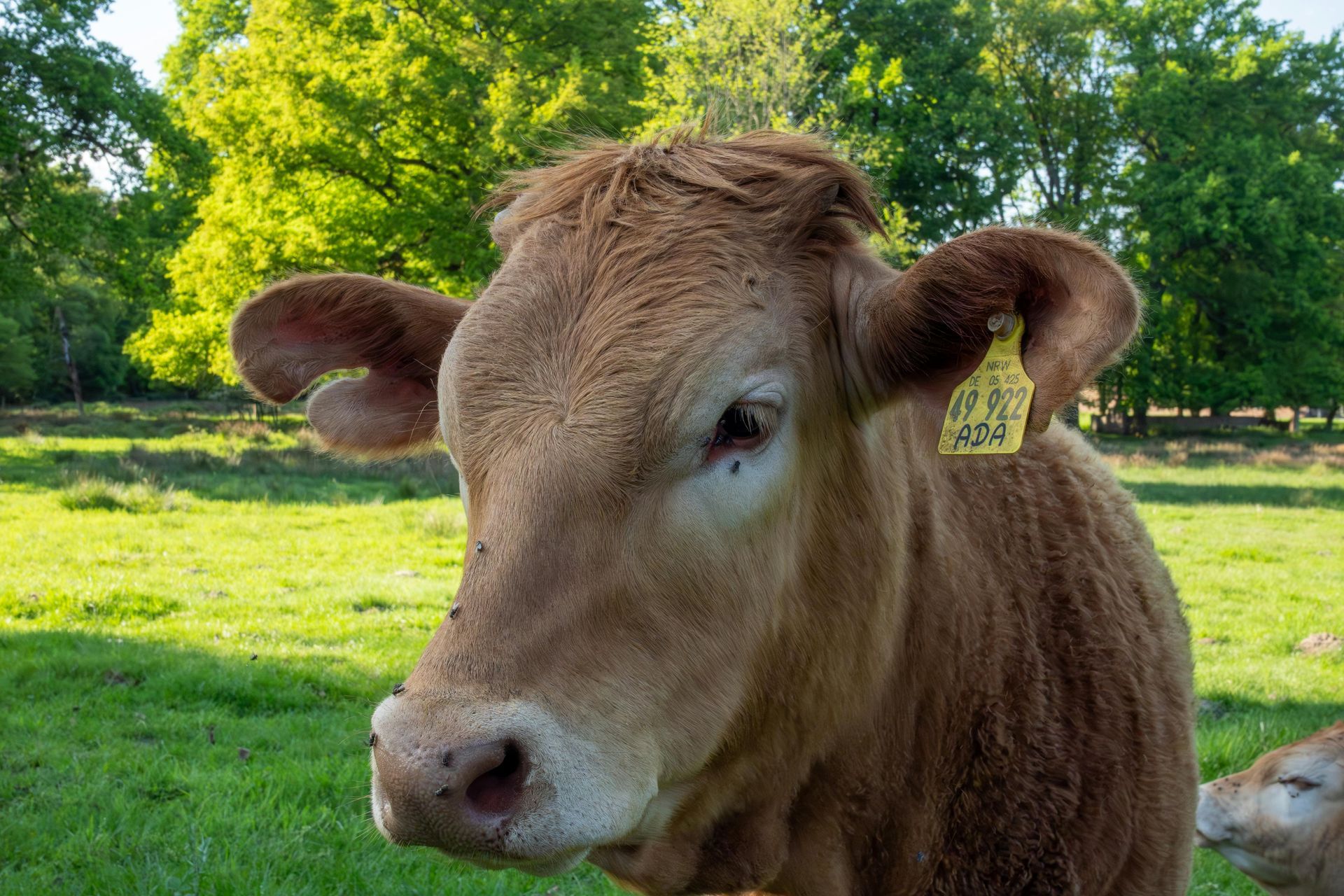
The Farming Issue

Invitation to meet the team on Wednesday 27th May 2026 from 5pm - 6.30pm.
At 21 Neville Street, Warkworth.
Beverages & Nibbles provided.

As we step into a new financial year, we’re mindful that not everyone has had a smooth start to 2026. Extreme weather has created uncertainty for parts of the country and reminded many businesses just how quickly conditions can change. The global situation has intensified that. While we can’t control everything that happens around us, we can make sure we’re prepared for shifts when they come. That starts with a clear understanding of your finances, staying on top of compliance, and planning ahead rather than reacting under pressure. In this issue, we cover three key employment and tax changes you need to know (and two to keep an eye on), how to get more value from your accountant, and the signs that business confidence in New Zealand is steadily improving. Three key changes for employers in 2026 A few recent and upcoming changes may impact your payroll, pricing, and employer obligations.
A quick check now sets you up for a smoother year ahead. 1. Minimum wage is increasing From 1 April 2026, the adult minimum wage rises to $23.95/hr (from $23.50). Starting-out and training wages increase to $19.16/hr (from $18.80). Make sure your payroll and employment agreements reflect the new rates. Higher wages can affect your margins, so now’s a good time to reassess your pricing structure. Speak to your accountant if you need help understanding what these changes mean for your bottom line. 2. KiwiSaver contribution rates go up Also starting 1 April 2026 , the default KiwiSaver contribution rate increases from 3% to 3.5% for both employees and employers. Note employees are able to apply for temporary rate reductions to continue contributing at the 3% rate, in which case employers may also opt to match this employer contribution rate. Employer contributions will also now apply to KiwiSaver members aged 16 and 17. This is part of a phased retirement-savings policy change, with a further rise to 4% planned for 2028. Review your payroll processes to make sure your contributions are applied correctly. 3. Fringe Benefit Tax updates continue Updated FBT thresholds and rate structures came into effect on 1 April 2025, with further refinements expected to be rolled out in 2026. Concessions such as equalisation of FBT and PAYE on unclassified benefits give you more flexibility in how FBT is calculated and means the tax rate applied better reflects what your employees earn. Inland Revenue has also clarified how certain employee gift cards are taxed. Open-loop cards (such as prepaid cards that can be used almost anywhere) are generally treated like cash and taxed under PAYE, while retailer-specific cards usually still fall under FBT. If you provide vouchers or gift cards as staff rewards, it’s worth checking they’re being taxed under the right rules. Things to watch Keep an eye out for these two changes on the horizon. Shareholder loans If you regularly draw funds from your company through a shareholder loan, this is one to watch. While not yet law, Inland Revenue has recently consulted on proposals to treat new shareholder loans as taxable dividends if they are not repaid within a set timeframe. Surcharge ban The Retail Payment System Amendment Bill has passed its first reading and is expected to take effect by May 2026. If enacted, it will ban most in-store surcharges on EFTPOS, Visa, and Mastercard transactions. We’ll keep you updated as details are finalised .

Accelerate December 2025 As 2025 draws to a close, we’d like to thank you for your continued support this year. Our team is taking a well-earned break from Friday 19th December and will return to the office on Monday 12th January 2026. But before you switch on the out-of-office, take a moment to get your business ready for the holiday season. In this issue, we’ve included tips to help you manage the summer cash flow crunch, a guide on what you can (and can’t) claim back for festive spending, advice for compliant Christmas promotions, and a timely reminder to look after your team’s mental health as the year wraps up. Wishing you a safe, sunny, and successful holiday season! How to survive the Christmas cash flow crunch While retailers race through their busiest time of year, not every business benefits from the Christmas rush. Many service-based, wholesale, or manufacturing businesses might even face a sharp decline in orders just when holiday pay, bonuses, and annual shutdowns see expenses rise. 1. Forecast to February Projecting your income and expenses well into the new year helps you spot potential shortfalls and take action before they become problems. 2. Invoice early, follow up now Send invoices before your shutdown period and chase outstanding debts while clients are still around. 3. Prioritise essential spending Identify what expenses are necessary and what can wait until revenue picks back up. 4. Prepare for January’s tax obligations The 15 January due dates for PAYE, GST, and provisional tax can feel like a Grinchy surprise. Set aside funds now to avoid starting the new year under pressure. Worried about the summer squeeze If this season feels tight, get in touch. Our financial advisors can help you plan ahead, manage your cash flow, and explore IRD instalment options to lighten the load. Tis the season for giving... but what can you claim back Gifts, bonuses, parties, and more: here’s a brief breakdown of what you can and can’t claim this festive season. Employee gifts Gifts that are not subject to the entertainment tax rules (vouchers, hampers, flowers) are fully deductible and exempt from Fringe Benefit Tax (FBT) if they cost less than $300 per employee per quarter, and the total for all staff stays below $22,500 a year. However, gifts that do fall under the entertainment tax rules, like food hampers or wine, or taking your team to a show or event, are 50% deductible, and not liable for FBT. Cash bonuses Bonuses are classed as income, so PAYE and other payroll taxes apply. These “lump sum” payments are taxed at a flat rate based on your employee’s income bracket. Client gifts Food, drink, or entertainment gifts are 50% deductible. Other gifts (flowers, movie tickets, a book) are 100% deductible Workplace events Christmas parties, client dinners, or team drinks are 50% deductible, while morning teas, office lunches, and charitable donations are fully deductible.

Accelerate - December 2023

Accelerate August 2023

Inland Revenue have recently announced this year’s livestock Herd Scheme Values and we think this is a great opportunity to update you on the latest movements. The Herd Scheme Values are the National Average Market Values, determined by a process involving a review of the livestock market as at 30 April.
The values for Dairy this year have seen a fall in values across all female classes, but increases across all male classes. The fall in R1 heifer values can be attributed to the prohibition of live export by sea commencing from 30 April 2023. For the first time the National Average Market Value for R1 Heifers is less than the National Standard Cost of breeding and rearing an R1 Heifer.
In contrast to Dairy values Beef values have increased on average 9% and are almost at record values for all classes.
Sheep values have all fallen from the high of 2022, slipping back an average of 10.2%. Whilst values have fallen, they are still either the second or third highest that they have ever been depending on which class of sheep you are looking at.